


For decades, condominium and HOA executive boards throughout the Greater Philadelphia region operated under a relatively predictable standard of fiscal adequacy. As long as a community set aside 10% of its annual assessment income in a replacement reserve account, mortgage underwriters historically took that as confirmation of the community’s general fiscal health, and routinely approved conventional loan applications for incoming buyers or refinancing residents.
A New Baseline
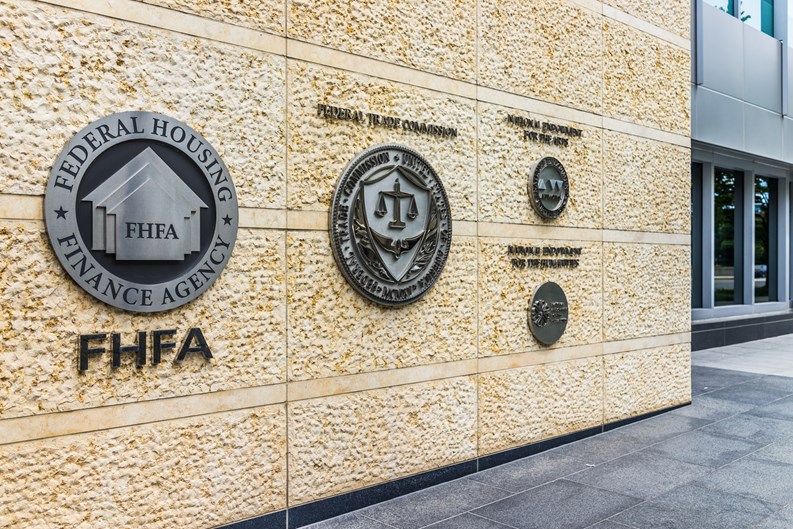
As of this past March however, that administrative baseline for financial health has shifted. Through the issuance of Lender Letter LL-2026-03, Fannie Mae—acting in alignment with Freddie Mac and under the guidance of the Federal Housing Finance Agency (FHFA)—has introduced a sweeping overhaul of its project standards, escalating financial requirements for multifamily communities across the country.
According to the new standards, access to the conventional mortgage market will no longer depend solely on the creditworthiness of the individual borrower. Instead, it hinges on the structural and financial sustainability of the entire community. For community association managers and executive boards in the Philadelphia metro area, where a dense concentration of aging high-rises in Center City, converted industrial lofts in Fishtown, and sprawling townhome communities throughout Bucks, Montgomery, and Delaware counties rely on conventional lending, understanding the implications and timeline of these regulations is crucial to protect property values and prevent a lending freeze.
“These changes raise the expectations for how communities approach financial planning and long-term capital planning,” says Marc Kotler, president at nationwide property management firm FirstService Residential. “Boards should expect lenders to take a closer look at reserve funding, insurance coverage, building conditions, and how the community plans for future capital projects.”
The Regulatory Timeline
Fannie Mae's directive introduces structural and financial benchmarks across two hard compliance deadlines:
The first major operational shift hits the mortgage market on August 3, 2026, when Fannie Mae will officially retire the ‘Limited Review’ process for all established condominium associations with more than 10 units. For more than two decades, provided the buyer met high down-payment thresholds, the Limited Review option allowed lenders to clear transactions in established condo projects with minimal paperwork, bypassing an inspection of the full association budget, and ignoring comprehensive reserve tracking.
Beginning on August 3 however, loan applications for communities with more than 10 units will be subject to the ‘Full Review’ process. Under a Full Review, mortgage underwriters are legally obligated to thoroughly audit the community's governing documents, historical maintenance records, litigation status, special assessments, and engineering health. Fannie Mae is also eliminating the aforementioned minimum 10% annual reserve contribution as the sole metric for gauging an association’s financial health. Underwriters are now required to look past the budget to verify existing reserve fund balances and actively inspect the community for indicators of deferred structural maintenance.
Boards of smaller boutique communities—particularly the converted rowhouse condos and smaller loft buildings common in Fishtown, Northern Liberties, and South Philly—should note that Fannie Mae has simultaneously expanded its Waiver of Project Review to cover new and established projects with 10 or fewer units. For projects in the five-to-ten-unit range, the community cannot be part of a master association or larger development to qualify. This is a meaningful carve-out for the Philadelphia market, where small-scale condo conversions are common.
The financial changes solidify at the start of the next calendar year. For all loan applications dated on or after January 4, 2027 the baseline replacement reserve requirement increases by 50%. Condominium and HOA projects reviewed under the mandatory Full Review option must allocate at least 15% of their total annual budgeted income to replacement reserves, up from the historical 10% benchmark.
The Risk of Noncompliance
The operational risk of failing to meet these new standards is high. If an executive board fails to reallocate its budget to hit the 15% allocation by January 2027, their building or association faces challenges—the entire community risks being designated as "ineligible" or "unwarrantable" by the Condo Project Manager (CPM) database.
According to one industry pro, when a condominium project does not meet Fannie Mae standards, it loses what is known as "warrantable" status. A non-warrantable condo is a property that conventional lenders cannot finance. “Buyers are then forced to seek portfolio loans or other non-agency financing—which typically come with higher rates, larger down payment requirements, and tighter credit standards,” he says. “The practical result is a smaller pool of qualified buyers, downward pressure on unit values, and a more difficult resale environment for every owner in that building.”
If a community is flagged as ineligible, conventional lenders backed by Fannie Mae and Freddie Mac will refuse to write mortgages for any unit within that development. A unit owner trying to sell their property will find their buyer pool restricted primarily to cash transactions. Refinancing options are restricted, equity lines of credit can be denied, and local property values face immediate downward pressure.
For communities unable to reallocate operating expenses to instantly hit a 15% reserve line item without causing financial disruption among homeowners, Fannie Mae has left exactly one alternative path to compliance: a professional reserve study. “For many communities, a professional reserve study is a practical option because it bases reserve contributions on the property's actual capital needs rather than a fixed percentage of the annual budget,” Kotler says. “It gives boards a clearer understanding of future repair and replacement costs, helping them make informed budgeting decisions. The key is starting early.”
If an association does not meet the baseline percentage threshold as of the August 3 deadline, it may rely on a professional reserve study to demonstrate financial adequacy. However, Fannie Mae has restricted this alternative in two important ways:
First, the association's annual budget must actively match or exceed the highest recommended reserve funding level identified in the study—the most conservative funding model. Lenders are explicitly prohibited from accepting "baseline" funding models that allow reserve balances to approach zero.
Second, the reserve study itself must have been completed or updated within the past three years by an independent qualified professional. A study older than three years will not satisfy conventional lenders under the new framework, forcing the project back to the default 15% budget rule or outright ineligibility. For self-managed communities running on outdated studies, commissioning a current one is no longer optional. Kotler stresses that reserve planning is no longer just an operational responsibility, noting that “It has become a factor in protecting financing eligibility, property values, and buyer confidence.”
Localized Pressures
While these guidelines are federal, their impact lands heavily on the Philly metro’s unique legal and geographic terrain. Unlike neighboring New Jersey, where post-Surfside legislative momentum produced new mandatory reserve and structural inspection requirements for condominium communities, Pennsylvania communities continue to operate under a more decentralized regulatory structure with no comparable state-level mandate.
"Whether or not a state requires reserve funding, lender expectations remain the same,” says Kotler. “Boards should make sure financial records are up to date, major repairs and capital improvements are well documented, and reserve funding is reviewed regularly. Boards should also consider whether a professional reserve study is appropriate for their community. As lenders place greater emphasis on a community's long-term financial health, preparation today can help avoid delays and preserve financing options in the future."
Pennsylvania executive boards have historically held latitude under the Uniform Condominium Act regarding how they funded their reserves versus using special assessments to cover capital repairs. Consequently, many older and self-managed townhome developments across Delaware or Montgomery counties have operated for years on thin reserve cushions, utilizing a standard 10% line-item budget strictly as a compliance mechanism for local banks.
Under the new paradigm, those thin margins will disappear. The loss of the Limited Review pathway means that structural status, unfunded roof replacements, or deferred paving projects across the Delaware Valley will be disclosed on the standardized lender questionnaires (such as Fannie Mae Form 1076) submitted to management companies and board presidents.
A Checklist for Executive Boards
To prevent a freeze on property transfers within your community, your executive board and community manager must take action before the deadlines arrive:
Audit Your 2027 Budget Early: Your board must immediately audit your current assessment income. If your replacement reserve line item sits at the historical 10% mark, you must calculate the exact assessment increase required to hit the 15% threshold by January 2027. “Reserve studies, budget planning, and funding adjustments all take time,” says Kotler, “so boards that begin the process now will have more flexibility than those waiting until the deadline.”
Commission or Update a Professional Reserve Study: If hitting a flat 15% allocation is operationally impossible without causing severe financial disruption to residents, your board must retain an independent engineering firm to draft or update a professional reserve study. Critically, the study must have been completed or updated within the past three years to satisfy conventional lenders; an older study will not qualify. Ensure that the study maps out a path toward the highest recommended funding level, as baseline or partial funding strategies will no longer satisfy conventional mortgage underwriters.
Review Deferred Maintenance Records: Because underwriters will look beyond simple budgeting to scrutinize the actual physical condition of your property, you must review all of your community’s outstanding structural and mechanical needs. Known engineering defects or deferred capital repairs must be paired with an active, funded remediation plan to avoid a project ineligibility stamp.
Fannie Mae's escalating reserve mandates represent a permanent structural shift in how community association real estate is valued and protected. According to Kotler, communities that have planned ahead and maintained strong documentation will be better positioned when buyers seek financing. Vigilance, transparent accounting, and reserve funding are baseline requirements for remaining a viable participant in the modern housing market.


Leave a Comment